

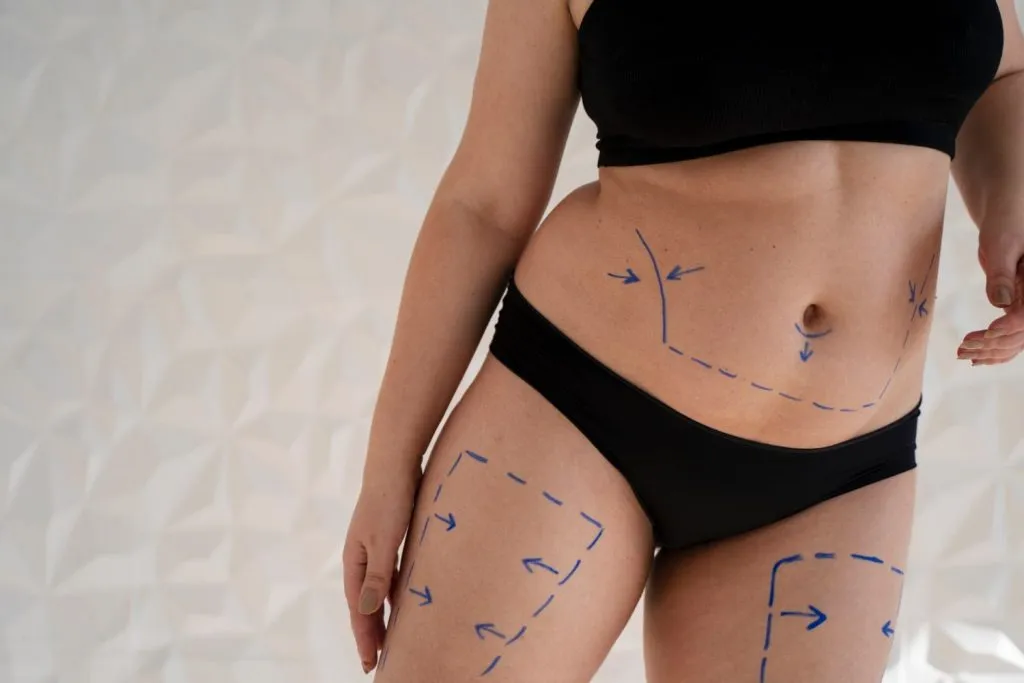
Liposuction is often described simply as a procedure for removing unwanted fat, but achieving a balanced and natural-looking result involves much more than removing as much fat as possible. Every person has a different body shape, fat distribution, skin quality, anatomy, and aesthetic goal. That is why personalized treatment planning is an important part of the liposuction process. A carefully designed plan helps determine which areas should be treated, how much fat may be appropriate to remove, and whether additional procedures may be needed.
What Does Personalized Lipo Planning Mean?
Table of Contents
TogglePersonalized treatment planning means developing a liposuction approach around the individual rather than applying the same technique to everyone. During a consultation, a qualified surgeon may assess body proportions, fat deposits, skin elasticity, overall health, previous procedures, and the patient’s desired changes.
Liposuction is primarily a body-contouring procedure rather than a weight-loss treatment. Appropriate candidates generally have localized fat deposits that have not responded sufficiently to diet and exercise and have realistic expectations about what the procedure can accomplish.
Body Shape Is Different for Everyone
Two people can have similar amounts of body fat but require completely different treatment strategies. One person may want greater waist definition, while another may be concerned about the abdomen, hips, thighs, arms, or another localized area.
A personalized plan allows the surgeon to consider the relationship between different parts of the body instead of focusing on one isolated fat pocket. This can help create more proportional contours and avoid an overly treated appearance.
Skin Elasticity Plays a Major Role
Removing fat changes the volume beneath the skin, so the skin needs to adapt to the new contour. Skin with good elasticity may contract more effectively after liposuction, while loose or less elastic skin may not conform as closely to the underlying shape.
This is particularly important for people who have experienced significant weight changes. If loose skin is the primary concern, liposuction alone may not provide the desired improvement because it removes fat rather than excess skin. A surgeon may therefore discuss whether another body-contouring approach would be more appropriate.
Choosing the Appropriate Treatment Technique
There is no single liposuction technique that is ideal for every patient. Depending on the patient’s anatomy and treatment goals, a surgeon may consider traditional suction-assisted liposuction, tumescent techniques, or selected energy-assisted approaches.
The important point is that technology should support the treatment plan rather than determine it. The method should be selected according to factors such as the treatment area, amount and consistency of fat, skin condition, and overall safety considerations.
For someone researching smart lipo Woodlands, it is worth focusing on the quality of the consultation and individualized assessment rather than choosing a procedure solely because of its name. A qualified provider should explain why a particular technique is appropriate for the person’s anatomy, what it can realistically accomplish, and what alternatives may exist.
Personalized Planning Can Help Avoid Over-Treatment
More fat removal does not necessarily mean a better result. Excessive or poorly distributed fat removal can contribute to contour irregularities, particularly when the underlying anatomy and skin characteristics are not properly considered. Medical references emphasize careful assessment and conservative technique because aggressive treatment can produce unwanted contour problems.
A personalized plan therefore considers where fat should be removed and where it should be left to preserve natural transitions and proportions.
Medical History Is Part of the Plan
Aesthetic goals are only one part of treatment planning. A surgeon should also review relevant medical history, medications, previous operations, smoking or nicotine use, healing considerations, and potential surgical risks.
Health status can affect whether someone is an appropriate candidate and how the procedure should be approached. Preoperative evaluation is an important part of preparing for liposuction safely.
Realistic Expectations Matter
Personalized planning also gives patients an opportunity to understand what liposuction can—and cannot—do. The procedure can reduce localized fat and improve body contours, but it is not designed to produce unlimited weight loss or completely transform every aspect of body shape.
Discussing realistic outcomes before surgery can help patients make informed decisions and understand that final results depend on factors such as healing, skin retraction, weight stability, and individual anatomy.
A Consultation Is More Than Choosing a Procedure
A good consultation should be a two-way conversation. Patients can explain which areas concern them, what changes they hope to see, and what aspects of the procedure they may be uncertain about. The surgeon can then evaluate whether those goals are achievable and develop an appropriate treatment strategy.
Questions may include:
- Which areas would benefit most from treatment?
- How will my skin respond after fat removal?
- Which liposuction technique is appropriate for me?
- Would another procedure be more suitable?
- What risks and recovery requirements should I expect?
- How can I maintain my results after treatment?
The Bottom Line
Personalized treatment planning matters because liposuction is not a one-size-fits-all procedure. Body proportions, fat distribution, skin elasticity, health history, and individual goals all influence the appropriate approach. A thoughtful plan can help balance fat reduction with natural contours while keeping safety and realistic expectations at the center of the process.
Ultimately, the goal should not simply be to remove fat—it should be to create a treatment strategy that is appropriate for the individual’s body and desired outcome.
